
Door mats that help keep entryways cleaner, drier, and safer
Door mats help stop dirt, moisture, and debris before they enter your home or business. Whether you need a simple mat for a front door or a tougher option for a busier entrance, the right door mat helps protect flooring, improve traction, and reduce mess at the entryway.
This collection includes indoor and outdoor door mats for residential entries, offices, small businesses, covered entrances, and higher-traffic commercial doors. For more heavy-duty commercial guidance, read our Commercial Door Mats guide.
Best for:
- Front door entryways
- Residential entrances
- Office doorways
- Retail shop entrances
- Apartment and condo entries
- Covered outdoor doorways

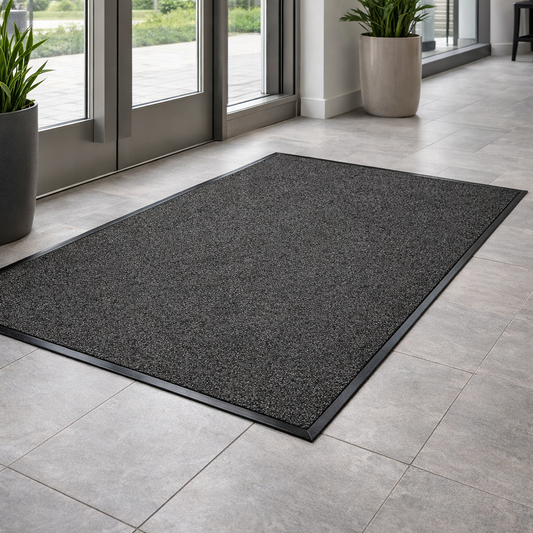
Tundra Heavy-Duty Indoor/Outdoor Scraper Mat
A stronger indoor/outdoor scraper option for busier doors, vestibules, and tougher entry conditions.
View product →
Natural Coir Door Mat – Heavy Duty Entrance Scraper – Coco Mat
A classic scraper-style door mat for residential entries, covered outdoor doors, and traditional front entrances.
View product →
Coastal Knob - Entrance Matting Runner - Door Mat Roll
A good fit when you need longer door mat coverage for narrow entryways, side doors, or hallway-style entrances.
View product →
Gritstop Fingermat - Heavy Duty Rubber Scraper Mat for Door Way
A more aggressive rubber scraper mat for entrances that deal with heavier dirt, mud, and debris.
View product →-
Tundra Heavy-Duty Indoor/Outdoor Scraper Mat
Vendor:Edgewood MattingRegular price From $170.00 CADRegular price -
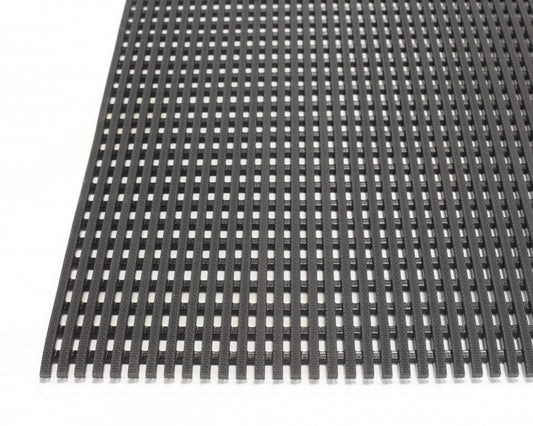
V-Dek - Wet Area Drainage Mat Tiles – Interlocking Non-Slip Floor Tile
Vendor:Edgewood MattingRegular price $11.00 CADRegular price -
Wide Rib Rubber Runner Mat - Industrial Floor Protection Matting
Vendor:Edgewood MattingRegular price From $180.00 CADRegular price -
Natural Coir Door Mat – Heavy Duty Entrance Scraper – Coco Mat
Vendor:Edgewood MattingRegular price From $400.00 CADRegular price -
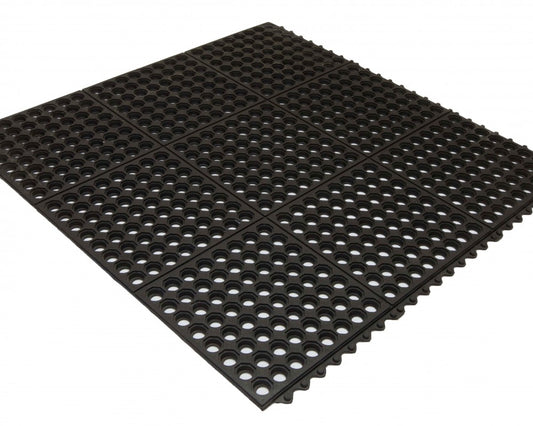
Value Flex Open Top - Modular Anti-Fatigue Mat - 3' × 3'
Vendor:Edgewood MattingRegular price $55.00 CADRegular price -
Plasti-Grip Industrial Anti-Fatigue Mat – Chemical & Grease Resistant Drainage Mat
Vendor:Edgewood MattingRegular price From $130.00 CADRegular price -
Competitor Series - Heavy Duty Anti-Fatigue Mat – 3' × 5', Kitchen & Workplace
Vendor:Edgewood MattingRegular price From $190.00 CADRegular price -
Competitor Series Light - Heavy Duty Anti-Fatigue Mat – 3' × 5' Kitchen & Workplace
Vendor:Edgewood MattingRegular price From $140.00 CADRegular price






How to choose the right door mat
The right door mat depends on where it will be used and what kind of dirt or moisture it needs to control. A front residential entry may only need a simple scraper mat, while a busier office or small commercial doorway may benefit from a heavier-duty indoor/outdoor option.
- Choose scraper-style mats for heavier dirt, mud, and debris
- Choose indoor entrance mats for finer dirt and moisture control
- Choose runner-style matting for longer or narrower entry spaces
- Step up to commercial entrance mats for higher traffic and heavier wear
Entrance Mats
Shop more commercial-focused entrance mats for office lobbies, storefronts, schools, and higher-traffic building entrances.
Shop Entrance Mats →Outdoor Scraper Mats
Best for exterior doors, covered outdoor entryways, and entrances that see heavier dirt, mud, and weather.
Shop Outdoor Scraper Mats →Rubber Scraper Mats
Explore more aggressive rubber scraper mats for commercial and industrial doors that need tougher debris removal.
Shop Rubber Scraper Mats →Indoor vs. outdoor door mats
Indoor door mats usually focus more on moisture control, finer debris capture, and appearance. Outdoor door mats are generally built to handle heavier dirt, weather exposure, and more aggressive scraping at the entryway.
For busier entrances, using both can work better than relying on a single mat. An outdoor scraper mat helps remove heavier debris first, while an indoor mat helps catch the remaining dirt and moisture before it gets tracked further inside.
Popular uses for door mats
Door mats are commonly used in homes, offices, small businesses, apartment entries, and covered outdoor doorways. They help create a cleaner first step into the space while reducing tracked-in dirt and helping protect interior flooring from wear.
Frequently asked questions
What is the best door mat for a front entrance?
The best door mat depends on the amount of foot traffic and the type of debris at the entrance. For lighter residential use, a simple scraper mat may be enough. For busier doors, a heavier-duty indoor/outdoor mat is usually a better choice.
Can door mats be used outdoors?
Yes. Many door mats are designed for outdoor or covered outdoor use, especially scraper mats built to handle dirt, mud, and weather exposure.
Do door mats help reduce slipping?
Yes. Door mats help manage moisture and debris at the doorway, which can improve traction and help reduce slip risk indoors.
What is the difference between a door mat and an entrance mat?
Door mats are often used more broadly for both residential and light commercial entryways. Entrance mats usually lean more commercial and are often designed for higher traffic, larger openings, and more demanding entry conditions.