
Gym flooring built for weights, machines, training zones, and everyday wear
Gym flooring helps protect subfloors, reduce noise, improve traction, and create a safer workout surface in commercial gyms, home gyms, training studios, and weight rooms. Rubber flooring is especially popular for strength training, cardio equipment, and general-purpose fitness areas because it stands up well to foot traffic, equipment, and repeated impact.
Many facilities also combine rubber flooring with training turf to create more specialized zones for sled pushes, agility work, and athletic conditioning.
Best for:
- Commercial gyms
- Home gyms
- Weight rooms
- Training studios
- Functional fitness spaces
- Rubber flooring and turf layouts

Voyager Sport Flooring - Rubber Gym Tiles
A strong option for commercial gyms, fitness rooms, and general training areas where durability and floor protection matter.
View product →
Apollo - Heavy Duty Interlocking Rubber Gym Flooring Tiles
Better suited to weight rooms and higher-impact areas where dropped weights and subfloor protection are bigger priorities.
View product →
Galaxy Pro, Interlocking Rubber Gym Flooring Tiles
A practical interlocking option for training spaces that need easier installation and a clean modular layout.
View product →
Artificial Training Turf – Indoor Gym Turf for Sled Push & Sprint Training – Indoor ST
A dedicated gym turf surface for sled pushes, sprint work, agility drills, and functional training lanes.
View product →-
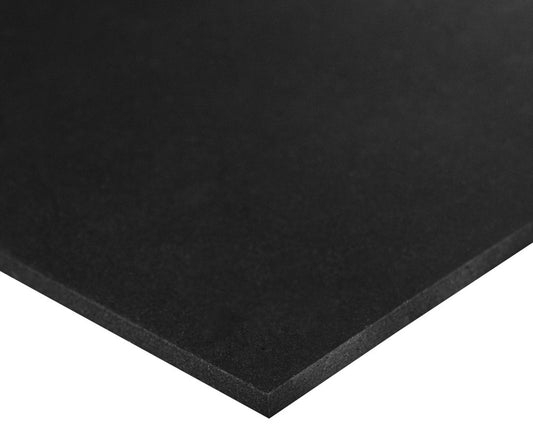
Voyager Sport Flooring - Rubber Gym Tiles
Vendor:Edgewood MattingRegular price From $24.95 CADRegular price -
Multi-Flooring Adhesive – Heavy Duty Rubber & PVC Flooring Glue – MF Bond-It
Vendor:Edgewood MattingRegular price $390.00 CADRegular price -
Stand Easy Solid Top - Industrial Anti-Fatigue Mat – 3' × 3'
Vendor:Edgewood MattingRegular price $125.00 CADRegular price -
Artificial Training Turf – Indoor Gym Turf for Sled Push & Sprint Training – Indoor ST
Vendor:Edgewood MattingRegular price From $4,600.00 CADRegular price -
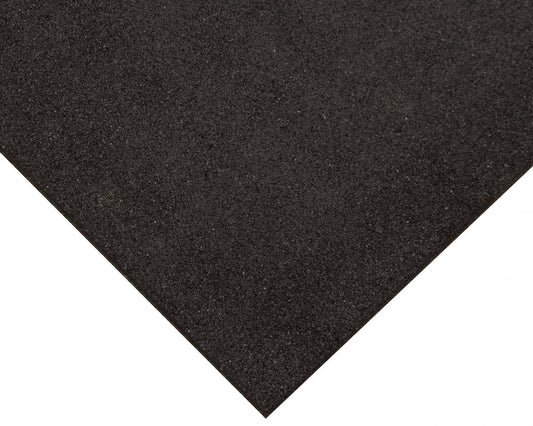
Galaxy Pro, Interlocking Rubber Gym Flooring Tiles
Vendor:Edgewood MattingRegular price From $180.00 CADRegular price -
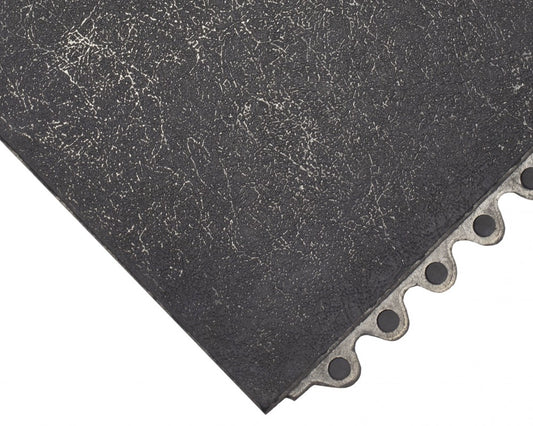
Apollo - Heavy Duty Interlocking Rubber Gym Flooring Tiles
Vendor:Edgewood MattingRegular price From $95.00 CADRegular price








How to choose the right gym flooring
The right gym flooring depends on how the space will be used. Some gyms need heavier-duty rubber flooring for racks and free weights, while others need a more versatile surface for general training, cardio, and multi-purpose fitness use.
- Choose heavier-duty tiles for weight rooms and dropped-weight zones
- Choose versatile rubber flooring for broader-use training spaces
- Choose interlocking systems for easier installation and modular layouts
- Add turf when the space needs sled work, sprint lanes, or movement training
Artificial Turf
Browse training turf for sled pushes, agility work, sprint drills, and dedicated functional fitness lanes.
Shop Artificial Turf →Home Gym Flooring
See home-specific flooring ideas for garage gyms, basements, and personal training spaces.
View Home Gym Flooring →Gym Flooring for Weight Rooms
Read more about flooring needs in dedicated weight rooms and higher-impact strength training areas.
View Weight Room Flooring →Rubber flooring vs. turf
Rubber gym flooring is usually the best choice for weights, cardio machines, racks, benches, and general-purpose fitness areas. Turf works better for sled pushes, agility drills, movement training, and performance-focused conditioning zones.
Many gyms use both together to create a more complete layout with separate strength and movement areas.
Popular gym flooring options
Voyager Sport Flooring is a strong all-around choice for many gym environments. Apollo is better suited to heavier-use strength areas, while Galaxy Pro gives you another interlocking rubber tile option. If the layout includes movement lanes, Indoor ST is the right fit for turf-based training zones.
Frequently asked questions
What is the best flooring for a gym?
The best flooring depends on the training type. Rubber flooring is the most common choice for general gym use, while turf is better for sled work and functional movement zones.
Is rubber flooring good for home gyms?
Yes. Rubber flooring is a strong option for home gyms because it helps protect the floor, reduce noise, and provide a durable workout surface.
Do gyms use interlocking tiles?
Yes. Interlocking tiles are commonly used in both home and commercial fitness spaces because they are easier to install and can be expanded or reconfigured later.
Should gyms use turf too?
Many do. Turf is a strong addition when the space needs sled pushes, sprint drills, agility work, or dedicated functional training lanes.